 CHANGHORN
CHANGHORN
CHANGHORN
Explore our premium grade system components designed to deliver dynamic, high-precision thermal control and fluid management performance.
Analyzing the pivotal role of thermal control infrastructure in modern smart factories.
In modern industrial manufacturing, temperature control is not merely a utility—it is the foundation of quality assurance, material transformation, and energy efficiency. From semiconductor fabrication and plastic extrusion to pharmaceutical synthesis and high-precision food processing, thermal parameters must be maintained within razor-thin tolerances. This strict requirement has accelerated the transition from simple analog thermal regulators to highly sophisticated, microprocessor-based PID (Proportional-Integral-Derivative) controllers, programmable logic controllers (PLCs), and distributed control systems (DCS).
The global temperature controller market is currently undergoing a massive transformation driven by the rise of Industry 4.0. According to recent market analysis, the demand for smart temperature control units is projected to grow exponentially, driven by the expanding manufacturing sectors in North America, the European Union, and the Asia-Pacific region. As factories transition to fully automated architectures, the temperature controller has evolved from a standalone feedback loop device into a fully network-integrated node. Modern systems rely on real-time data exchange, using communication protocols such as EtherCAT, Modbus TCP, and IO-Link to sync temperature readings with central PLC units and cloud-based monitoring dashboards.
Furthermore, decarbonization and strict environmental mandates globally have forced manufacturers to re-evaluate their energy profiles. Thermal systems are historically among the largest consumers of electrical energy in factories. By integrating advanced automation electrical components—such as solid-state relays (SSRs), smart variable frequency drives (VFDs) for thermal fluids, and precise PID controllers—enterprises can decrease thermal overshoot, optimize recovery cycles, and achieve up to a 20% reduction in overall energy consumption. Partnering with elite temperature controller suppliers and exporters is no longer just a purchasing decision; it is a strategic step toward building modern, sustainable manufacturing operations.
How logistical integration, massive manufacturing scale, and engineering talent create unprecedented global export advantages.
China's coastal manufacturing hubs, particularly in Fujian and Guangdong provinces, house the world's most concentrated industrial automation ecosystems. From PCB fabrication and semiconductor packaging to mechanical housing manufacturing, all components are sourced within a 50-mile radius, dramatically reducing lead times and prototyping costs.
Chinese factories export automation electrical components to highly regulated markets like Germany, the US, and Japan. Consequently, Chinese manufacturing lines utilize state-of-the-art testing equipment, such as environmental stress screening, automated optical inspection (AOI), and functional dynamic simulators, ensuring compliance with UL, CE, and RoHS standards.
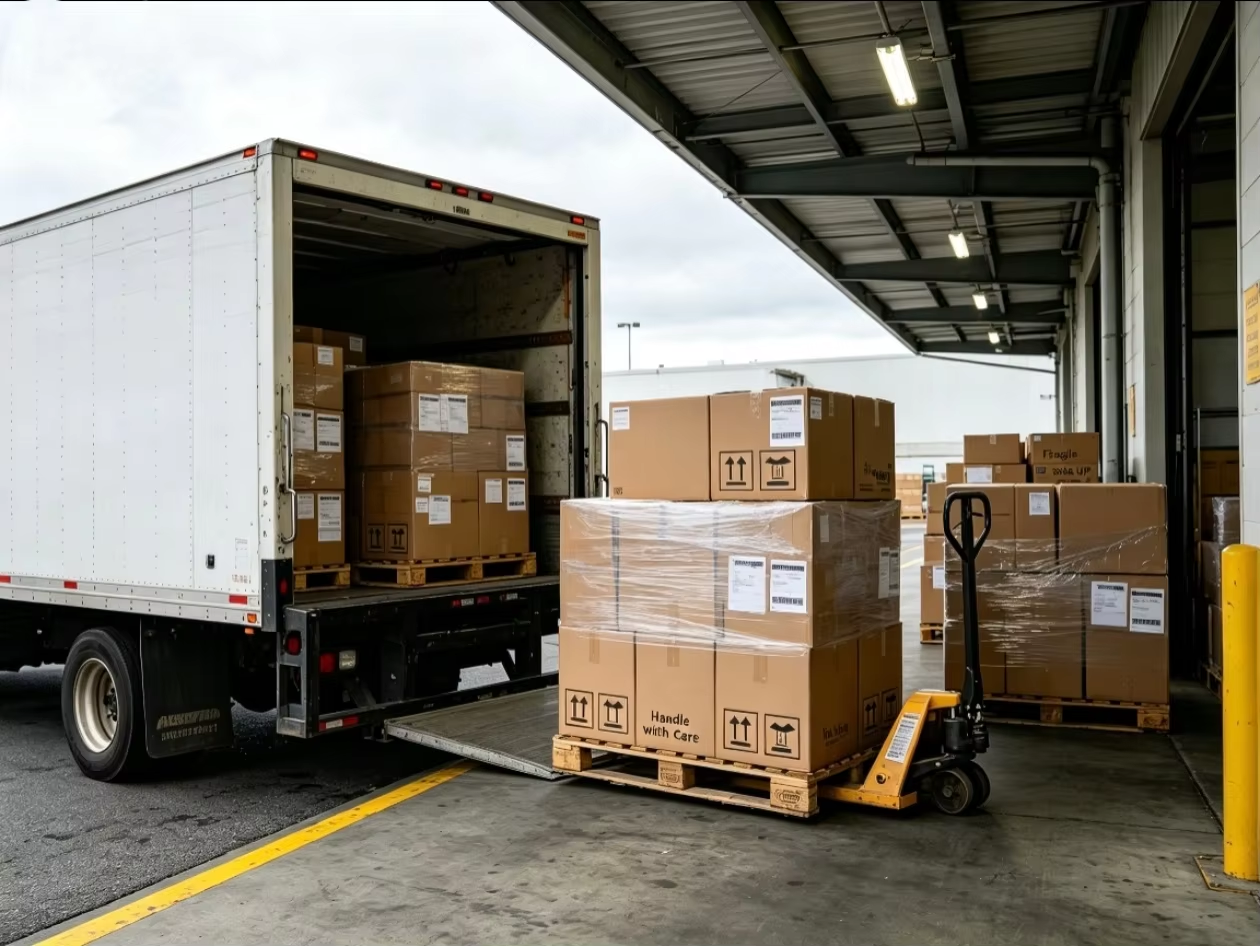
Operating near world-class deepwater ports like Xiamen allows exporters to offer highly flexible shipping alternatives, including express air freight, combined rail-sea transit (Belt and Road channels), and direct ocean freight. This guarantees that critical components reach global sites swiftly, minimizing downtime during equipment maintenance.
How temperature control systems deploy in real-world industrial environments to optimize operations.
Industrial thermal loops are not one-size-fits-all solutions. The combination of controllers, sensors, contactors, and variable frequency drives must be custom-configured for the specific physical parameters of the target application:
In plastic extrusion, consistency is vital. If the temperature fluctuates by even 1°C, the viscosity of the polymer shifts, resulting in variations in wall thickness or physical structural weakness. In this scenario, high-performance temperature controllers are integrated directly with PLCs (such as the Modicon M241) and high-speed solid-state contactors. As heat fluctuates, the controller outputs high-frequency pulse-width modulated (PWM) signals to the contactors, enabling extremely fast micro-adjustments to the heating bands, maintaining a steady material flow.
Large-scale metal processing and tempering furnaces require uniform heating across multiple independent zones to prevent warping and internal mechanical stress. This requires multi-loop temperature controllers synchronized via EtherCAT or Modbus communication modules. Real-time temperature sensors feed data to input modules, which run decentralized PID algorithms. Any temperature drop in a specific zone is immediately corrected by adjusting the output of the frequency converters driving the heating elements.
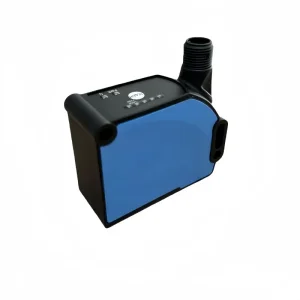
Pharmaceutical storage and testing demand absolute environmental stability. These applications utilize temperature controllers paired with high-precision contrast and fork sensors to monitor both thermal thresholds and packaging alignment. If the temperature exceeds safe parameters, the system triggers alerts, adjusts refrigerant flow, and activates safety solenoid valves to secure the biological payloads.
The future of thermal management: IoT integration, edge AI, and ultra-high speed automation protocols.
Traditional PID tuning can be time-consuming. Next-gen controllers utilize edge AI to model system behavior in real-time, automatically calculating optimal proportional, integral, and derivative gains to prevent overshoot during startup cycles.
Cloud-connected thermal systems allow maintenance teams to remotely monitor and diagnose temperatures across international facilities. Data is streamed securely to prevent unplanned failures and optimize energy efficiency.
Integrating controllers with IO-Link sensors enables rich diagnostics. Technicians can track not only temperature levels, but also device health, ambient humidity, and vibration, preventing component failures before they occur.
Critical benchmarks to consider when selecting industrial automation supply chain partners.
When purchasing temperature control systems and auxiliary electrical components for industrial operations, procurement teams must evaluate key operational parameters to guarantee reliability and system compatibility:
Your strategic one-stop supplier for world-class industrial automation and electrical components.
Hongyunlai Technology Co., Ltd. is based in Xiamen, Fujian Province, focusing on the supply of industrial automation electrical components for global markets. With years of in-depth experience in the industrial control industry, we have established stable global supply channels and a professional team for international sales and product selection. We deliver one-stop procurement solutions for system integrators, manufacturing factories and equipment maintenance enterprises across the world.
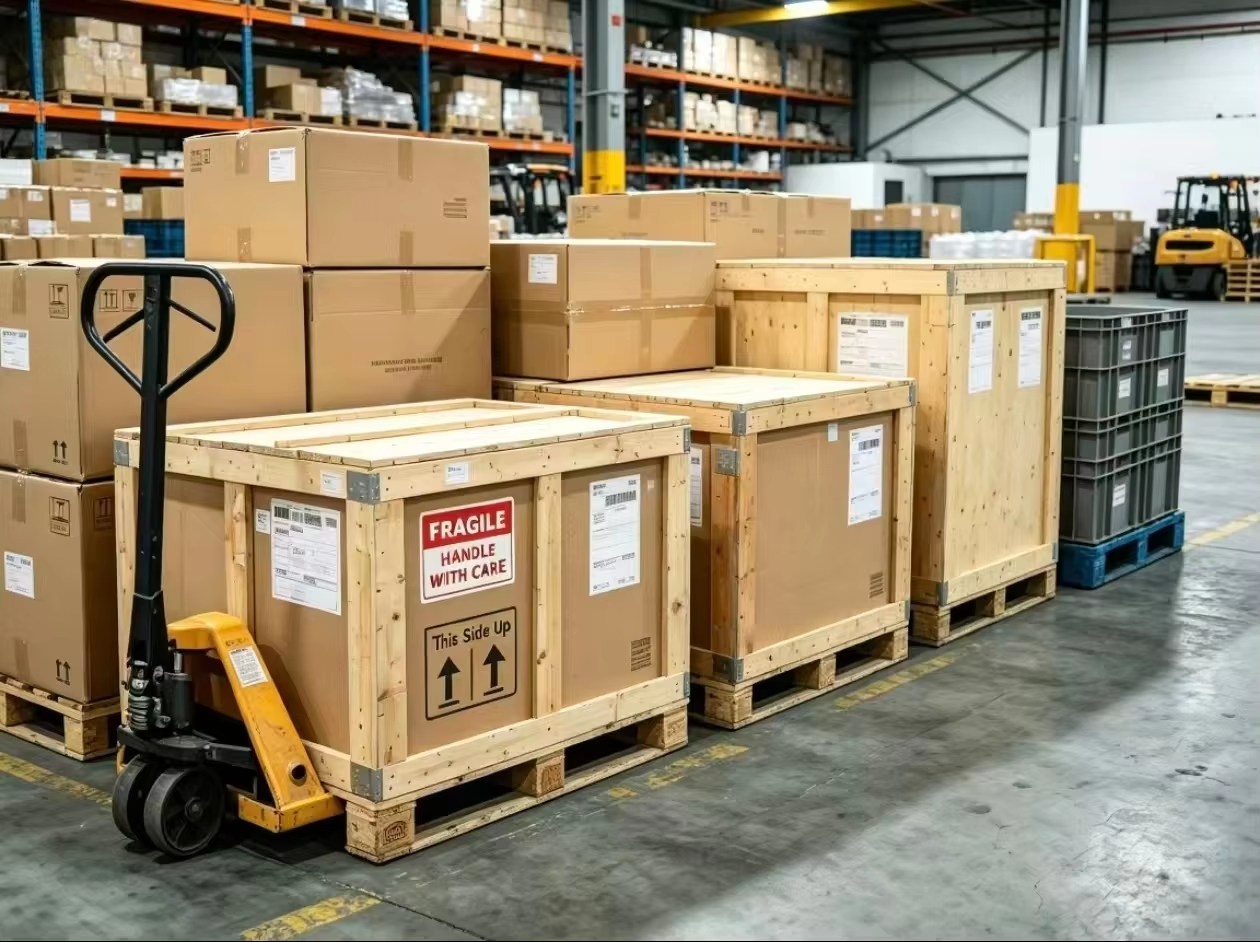
We supply industrial spare parts of mainstream international brands. Our product portfolio includes PLC controllers, servo drives & motors, inverters, HMI touch screens, sensors, contactors, distributed I/O modules, power supply modules and other core automation components. We operate a standardized warehouse and implement strict pre-shipment inspection to guarantee product quality. We respond rapidly to model inquiries and provide flexible international logistics solutions, fully supporting customers’ equipment maintenance, production line upgrading and engineering renovation projects.
Upholding the business philosophy of integrity and win-win cooperation, we rely on sufficient inventory, professional technical consultation and efficient delivery. We aim to be your trustworthy long-term partner for industrial automation spare parts.
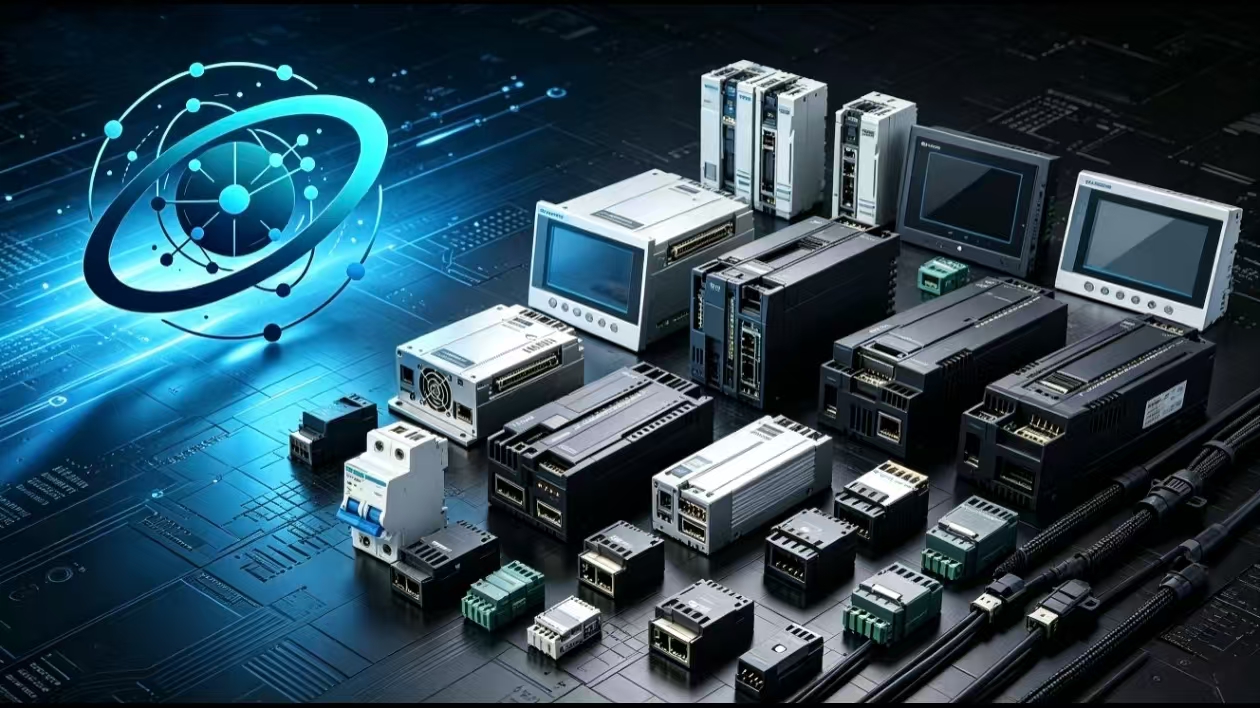
Browse our extensive catalog of genuine PLCs, VFDs, sensor arrays, and pneumatic components.
Crucial industrial intelligence and troubleshooting advice for engineering and procurement managers.