As we approach 2026, the servo drive industry is poised for remarkable innovations. Experts predict advancements that will redefine automation and robotics. Dr. Anna Simmons, a leading authority in motion control systems, asserts, "The future of servo drives will be driven by precision, efficiency, and adaptability."
This statement highlights the core focus of today's developments. New technologies promise speed and accuracy, which are crucial for modern manufacturing. Companies are increasingly relying on servo drives to optimize performance and reduce energy consumption. As the demand for smart manufacturing rises, the role of servo drives becomes even more critical.
However, not every innovation guarantees success. Many organizations struggle to implement these advanced systems effectively. There is a noticeable gap between understanding the technology and applying it. A reflection on existing practices can pave the way for more successful integration of servo drive solutions. Understanding these dynamics will be essential as we evaluate upcoming innovations in this vital industry.
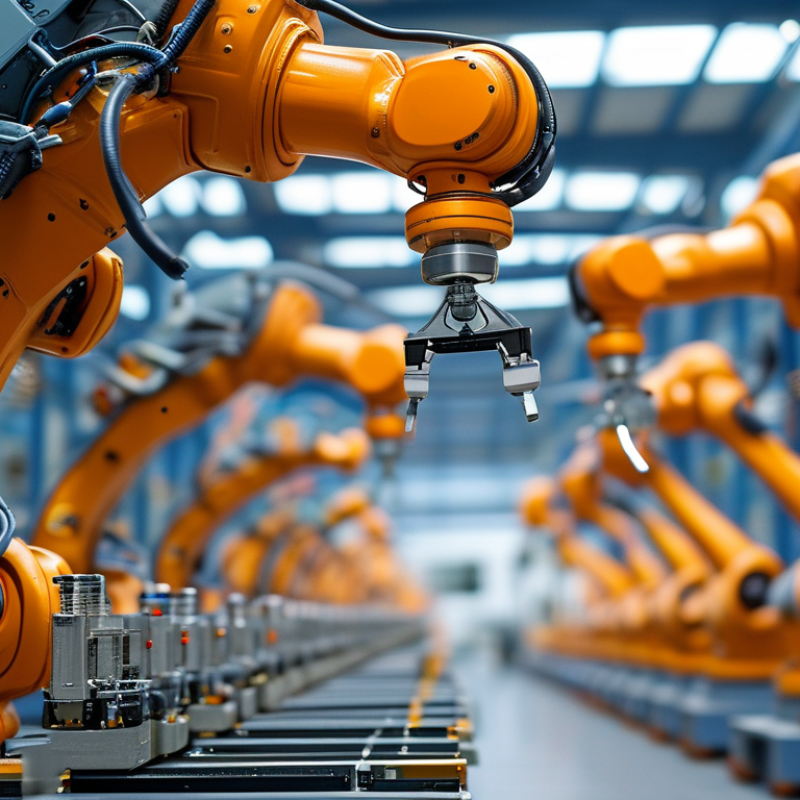
Emerging Trends in Servo Drive Technology for 2026
Emerging trends in servo drive technology for 2026 highlight a significant shift toward advanced automation and improved energy efficiency. In recent reports, the global servo drives market is expected to reach $12 billion by 2026, with a compound annual growth rate of 7.5%. This growth is fueled by industries seeking higher precision and reduced operational costs.
One notable trend is the integration of artificial intelligence in servo systems. AI-enabled drives enhance predictive maintenance and optimize performance. A study from a leading market research firm indicates that systems utilizing AI can reduce downtime by 30%. However, as the technology evolves, there may be challenges in training personnel to manage these advanced systems effectively.
Another emerging innovation is the development of compact, high-power density drives. This trend addresses the demand for smaller, more efficient equipment. Compact designs allow for easier retrofitting in various applications. Industry reports suggest that by 2026, around 40% of new servo installations will be compact models. Yet, scalability and interoperability remain potential obstacles for many manufacturers. Efforts to improve compatibility must be considered as these technologies advance.
2026 Top Servo Drive Innovations: Key Trends and Features
This chart illustrates the key emerging trends in servo drive technology for 2026, highlighting innovations such as high efficiency, compact design, IoT integration, advanced motion control, and cost reduction. Each trend reflects the increasing demands and evolving capabilities in the servo drive market.
Key Features Enhancing Performance and Efficiency in Servo Drives
As we look ahead to 2026, servo drive innovations are set to transform automation. One of the key features to watch for is enhanced communication protocols. These allow servo drives to respond faster to commands, improving overall system performance. Fast data exchange enables real-time adjustments, enhancing precision in various applications.
Energy efficiency is another area seeing significant advancements. New technologies aim to reduce energy consumption while maintaining high performance. This not only lowers operational costs but also supports sustainability efforts across industries. Smaller form factors are also becoming common, fitting in tighter spaces without compromising power.
Moreover, the integration of AI algorithms can lead to predictive maintenance. These features analyze data trends to forecast potential failures, reducing downtime. However, these innovations come with challenges. Reliance on technology can lead to overconfidence, which might overlook manual checks. Balancing automation with human oversight remains a vital consideration in optimizing servo drive performance.
Advancements in Communication Protocols for Smart Servo Drives
The landscape of servo drive technology is rapidly evolving. Communication protocols play a crucial role in this transformation. Smart servo drives are increasingly connected, enabling real-time monitoring and control. Enhanced protocols facilitate these connections, leading to improved responsiveness and efficiency. More devices can communicate seamlessly, increasing overall system performance.
Many industries are adopting Ethernet-based protocols. They support higher data rates and interoperability. These advancements allow multiple servo drives to be integrated into larger systems easily. However, transitioning to new protocols can be challenging. Organizations need to ensure compatibility with existing equipment. This highlights the importance of a careful evaluation during implementation.
Security remains a critical concern in smart communication. As more devices connect, risks of cyberattacks increase. Companies must invest in robust security measures. Balancing innovation with safety is essential for success. This ongoing challenge requires constant reflection and adaptation in the face of emerging threats.
Innovative Applications of Servo Drives in Industry 4.0
In the age of Industry 4.0, servo drives are reshaping manufacturing processes. These drives enhance the precision and efficiency of automated systems. A recent study from MarketsandMarkets predicts that the global servo drive market will reach $13.5 billion by 2026, driven by increased automation and the demand for higher performance.
Innovations in servo drives focus on energy efficiency and real-time data analytics. For instance, manufacturers can reduce energy consumption by up to 30% with adaptive control techniques. These drives also enable predictive maintenance, reducing downtime by 25%. As industries strive for greater efficiency, investing in these technologies will be crucial.
Tip: Before adopting new servo drives, assess current equipment compatibility. Integration can often pose challenges. Continuous training is vital for your workforce. A skilled team can help maximize the benefits of these innovations. Remember, transition phases often reveal unforeseen issues that require careful management and reflection.
Sustainability Considerations Influencing Servo Drive Designs in 2026
As we approach 2026, sustainability becomes crucial in servo drive designs. Manufacturers are focusing on energy efficiency to reduce environmental impact. Attention is shifting towards materials that are recyclable and sourced responsibly. This change isn't just practical; it reflects a growing commitment to a greener future.
Crafting energy-efficient servo drives requires innovative engineering. Developers are exploring advanced algorithms that optimize performance and minimize power consumption. Achieving this balance can be challenging. Strategies must be tested thoroughly to ensure reliability under varied conditions.
**Tips:** Always consider the life cycle of components. Look for drives that emphasize minimal waste. Research manufacturers’ sustainability policies before purchasing.
Consumer demand for eco-friendly products is rising. Engineers face pressure to innovate without compromising quality. Addressing these challenges necessitates collaboration across various sectors. Sharing best practices can lead to breakthroughs in sustainable design.
2026 Top Servo Drive Innovations What to Look For? - Sustainability Considerations Influencing Servo Drive Designs in 2026
| Innovation Type |
Key Feature |
Sustainability Impact |
Projected Efficiency Increase (%) |
Application Areas |
| Advanced Energy Recovery Systems |
Regenerative braking |
Reduces energy waste |
20% |
Manufacturing & Robotics |
| Smart Sensors Integration |
Real-time performance monitoring |
Enhances operational efficiency |
15% |
Aerospace & Automotive |
| Eco-friendly Materials Use |
Biodegradable components |
Reduces carbon footprint |
N/A |
General Manufacturing |
| Enhanced Drive Algorithms |
Adaptive learning |
Maximizes energy efficiency |
25% |
Packaging & Food Processing |
| Compact Drive Designs |
Space-saving technology |
Reduction in material usage |
10% |
Consumer Electronics |
FAQS
: Communication protocols enhance connectivity, enabling real-time monitoring and control for improved performance.
Transitioning requires evaluating compatibility with existing equipment, which can be complex and time-consuming.
Increased device connectivity leads to higher risks of cyberattacks, necessitating robust security measures.
They focus on energy efficiency and using recyclable materials to minimize environmental impact.
Developers use advanced algorithms to enhance performance and reduce power consumption, but testing for reliability is critical.
More consumers are seeking eco-friendly products, pushing engineers to innovate without sacrificing quality.
Research sustainability policies of manufacturers and choose drives that emphasize minimal waste.
The constant push for innovation may overlook necessary reliability and safety assessments, leading to vulnerabilities.
Sharing best practices across sectors can foster innovation and improve sustainability efforts.
A shift towards energy-efficient designs and responsible sourcing indicates a growing commitment to sustainability.
Conclusion
The article "2026 Top Servo Drive Innovations What to Look For?" explores the latest trends and advancements in servo drive technology anticipated for 2026. Key features enhancing the performance and efficiency of servo drives include improved energy consumption, precision control, and adaptive feedback mechanisms that allow for greater operational effectiveness.
Additionally, advancements in communication protocols are set to enable smarter integrations within Industry 4.0 frameworks, ensuring seamless interoperability between machines. The article also highlights innovative applications where servo drives will play a significant role, particularly in automation and robotics. Finally, sustainability considerations are driving the design of eco-friendly servo drives, emphasizing reduced energy usage and minimized environmental impact. As these trends emerge, the future of servo drive technology looks promising, poised to meet the demands of modern industrial applications.
 CHANGHORN
